By Wes Tichenor
November 19, 2026
Selecting a qualified local roofing contractor is one of the most important decisions you will make to protect your property and family. A well-built roof shields your home from harsh weather, supports energy efficiency, and preserves structural integrity for decades. Because roofing projects require skilled labor and strict adherence to building standards, taking a methodical approach prevents avoidable structural mistakes and premature roof failure. From assessing your roof's condition and comparing materials to verifying licenses, checking references, and reviewing written agreements, knowing what to look for empowers you to hire with confidence.
Assess Roofing Needs and Materials
Determining the exact scope of your project is the foundation of a successful roof upgrade. Start by noting visible signs of wear, such as curled shingles, granule loss, sagging decking, or interior ceiling stains after heavy rain. While localized storm damage or aging flashing may only call for targeted repairs, widespread deterioration often means a full roof replacement is the safer route. Scheduling a thorough inspection with a knowledgeable local roofing contractor helps clarify whether minor repairs will restore protection or if installing a new roofing system makes more sense.
Once you understand the scope of work, compare roofing materials suited to your home's architecture and performance goals. Architectural asphalt shingles offer proven durability, broad color selections, and straightforward maintenance for many residential styles. Standing-seam metal roofs deliver exceptional wind resistance, longevity, and heat reflection, while clay or concrete tiles provide distinctive curb appeal and strong weather protection where roof framing supports the added weight. Evaluating lifespan, upkeep requirements, and underlayment options ensures your chosen material matches both your home's structure and your long-term expectations.
Evaluate Climate Factors and Timelines
Regional weather patterns place constant stress on every component of a residential roof. Extreme summer heat, freezing winter cycles, heavy rain, hail, and high winds all influence how roofing materials expand, contract, and seal over time. Proper attic ventilation and insulation are just as critical, preventing moisture buildup in warmer months and ice dams during cold snaps. An experienced local roofing contractor understands how regional climate conditions affect shingles, flashing, and underlayment, recommending assemblies engineered to resist wind uplift and moisture intrusion in your specific area.
Project timing also deserves careful attention before you finalize your schedule. Roof installations depend on dry weather windows, crew availability, and material delivery lead times, all of which can shift during peak storm or spring building seasons. Discussing projected start dates, daily work hours, and weather contingency plans upfront keeps your household prepared for noise and driveway access needs. Choosing a contractor with organized scheduling and clear communication ensures your project moves forward smoothly without rushed installation shortcuts.
Verify Contractor Licenses and Insurance
Valid licensing separates established roofing professionals from unqualified operators. Active state and municipal licenses confirm that a roofing company meets regional regulatory standards, passes required trade examinations, and understands local building codes. Licensed contractors remain accountable to oversight boards and must follow proper installation rules for flashing, ventilation, and fastening. Before signing an agreement, check the contractor's license number through your state or municipal licensing board to confirm that their standing is current and free of unresolved violations.
Confirming comprehensive insurance coverage is equally vital before any ladder goes up against your eaves. Every responsible local roofing contractor should carry both general liability insurance to cover accidental property damage and workers' compensation insurance to protect crew members in the event of an on-site injury. Without verified policies in place, homeowners risk serious legal exposure if an accident occurs on their property. Request current proof of insurance and contact the issuing insurance carrier directly to verify that coverage remains active throughout your project.
Review Customer Feedback and Experience
Reputation reveals how a roofing company treats homeowners before, during, and after installation. Reading verified online reviews across multiple platforms helps identify consistent patterns in punctuality, jobsite cleanliness, communication, and follow-through on warranty service. Personal referrals remain one of the most dependable ways to evaluate workmanship, as 74% of homeowners surveyed report turning to family, friends, or neighbors for roofers they can count on, according to Roofing Contractor. Combining neighborhood recommendations with independent online feedback gives you a balanced view of how a company performs in real-world conditions.
Hands-on industry experience and professional memberships add further assurance of steady craftsmanship. Companies with many years of continuous local operation have navigated complex roof geometries, hidden decking repairs, and evolving municipal codes. Membership in respected trade groups, such as the National Roofing Contractors Association, signals ongoing commitment to worker safety, technical education, and ethical business standards. Partnering with an established local roofing contractor gives you access to seasoned problem-solving skills that protect your home from unexpected installation surprises.
Check Client References and Portfolios
Speaking with past clients offers candid insight that brochures and sales pitches cannot match. Ask prospective contractors for a list of recent homeowners you can contact, including repeat customers who hired the company for multiple projects. During those conversations, ask whether crews arrived on time, protected landscaping and siding, cleaned up stray nails each evening, and resolved questions promptly. Checking with local roofing supply houses can also be informative, as suppliers regularly observe how organized and reliable different roofing crews are in day-to-day operations.
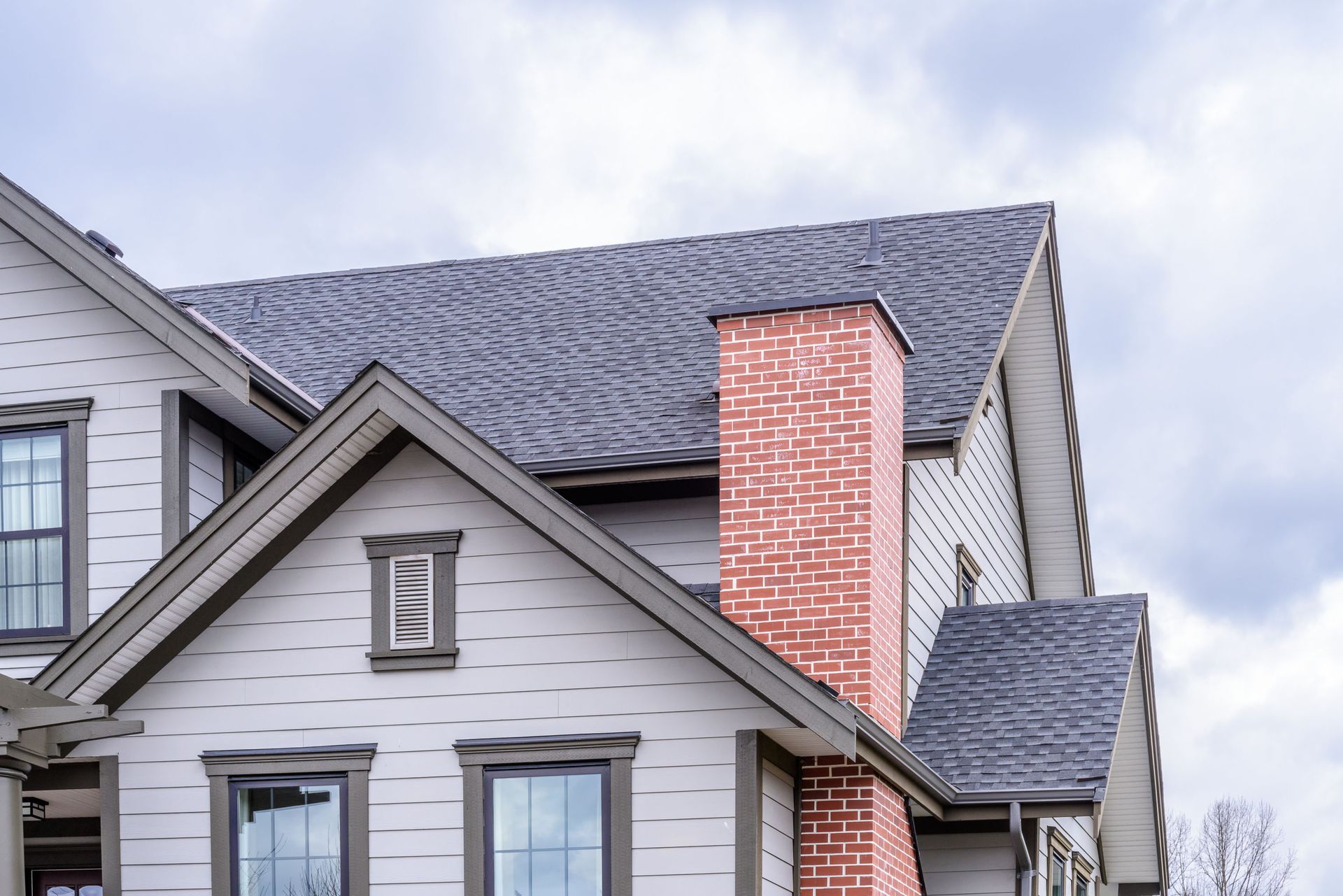
Reviewing a contractor's project portfolio and inspecting completed roofs in your area confirms visual quality firsthand. Look through photos of past installations featuring materials and roof pitches similar to your own home, paying close attention to straight shingle lines, clean valley flashing, and neat ridge caps. When possible, drive by recent job sites with homeowner permission to see how finished roofs look from the street. Observing completed work demonstrates whether a local roofing contractor takes genuine pride in fine architectural details.
Examine Roofing Warranties and Contracts
Strong warranty protection safeguards your investment long after the final cleanup is complete. Make sure you understand the difference between manufacturer material warranties, which cover product defects, and contractor workmanship warranties, which cover installation errors such as improper flashing or fastener placement. Ask how long each warranty lasts, what maintenance steps are required to keep coverage valid, and whether warranties transfer to a future buyer if you sell your home. Confirming that your contractor pulls required permits and follows local building codes ensures full compliance and uninterrupted coverage.
Careful review of your written contract prevents misunderstandings once work begins. Before signing, verify that the agreement spells out the exact scope of work, tear-off and disposal procedures, specific roofing materials, target completion dates, and site protection standards. The contract should also explain how unforeseen structural issues, such as rotted roof decking, are documented through written change orders, along with clear procedures for resolving disputes. Thorough written terms establish mutual accountability between you and your local roofing contractor from start to finish.
Choosing the right roofing partner comes down to careful preparation, clear verification, and attention to detail at every stage. By defining your roofing needs, accounting for regional climate demands, confirming licenses and insurance, checking references, and reviewing warranties and written contracts, you can select a local roofing contractor equipped to deliver lasting protection and curb appeal. Taking these steps safeguards your home's structure and gives you lasting confidence under a well-crafted roof. Reach out to our team at Ranger Development LLC today to schedule a roof inspection, and let us show you how we can protect your home for years to come.